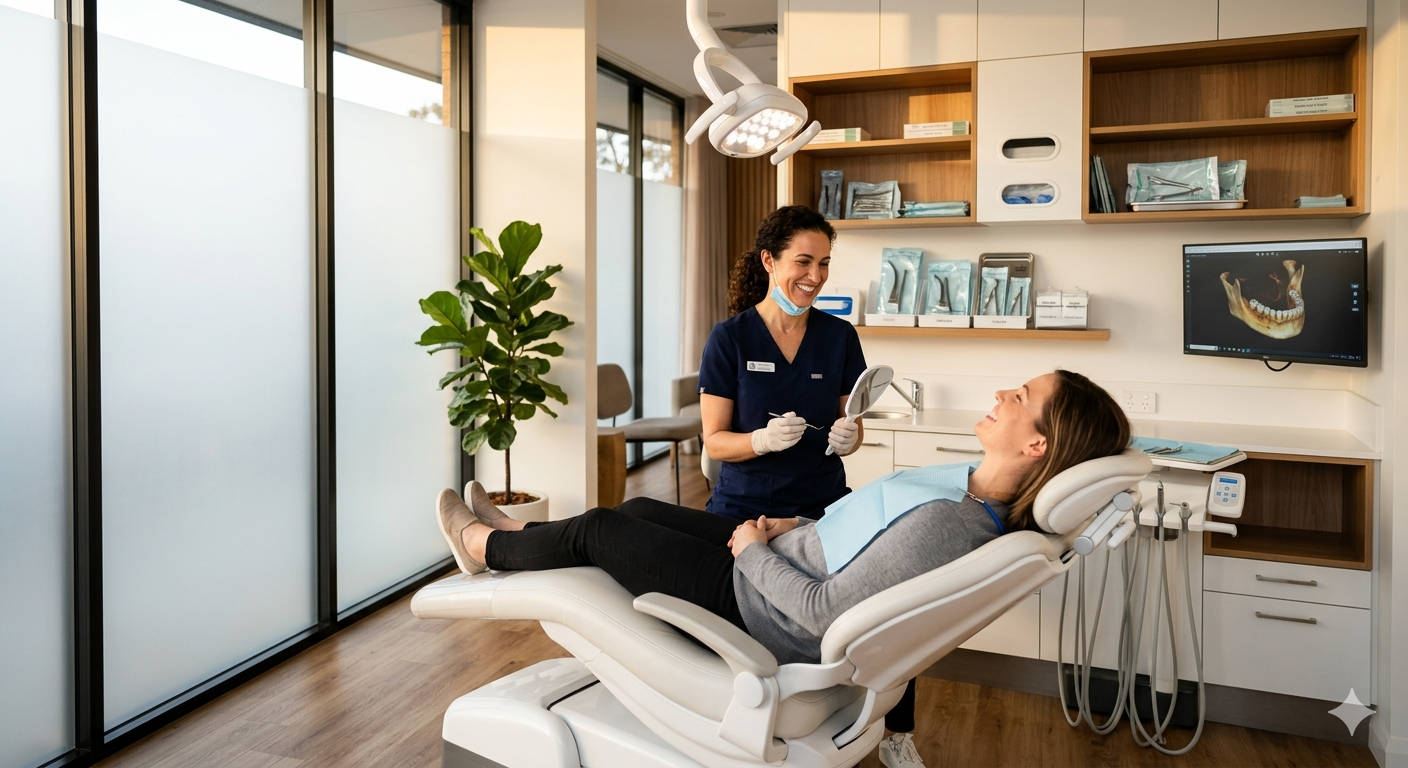
When a dental emergency strikes in Camarillo, knowing where to turn can make a big difference. Emergency dental care in Camarillo, CA provides quick, professional treatment for issues like severe tooth pain, broken teeth, or infections to prevent further damage and ease discomfort. Local clinics are equipped to handle urgent cases with care and modern technology.
Whether it’s a sudden injury or a persistent toothache that won’t go away, having access to reliable emergency dental services means patients don’t have to wait in pain. Many Camarillo dental offices offer same-day appointments and gentle treatments tailored to each person’s needs.
Caring for dental emergencies promptly helps avoid complications and keeps smiles healthy. If a problem arises, reaching out to a trusted Camarillo emergency dentist can provide reassurance and effective relief when it matters most.
Recognizing Dental Emergencies
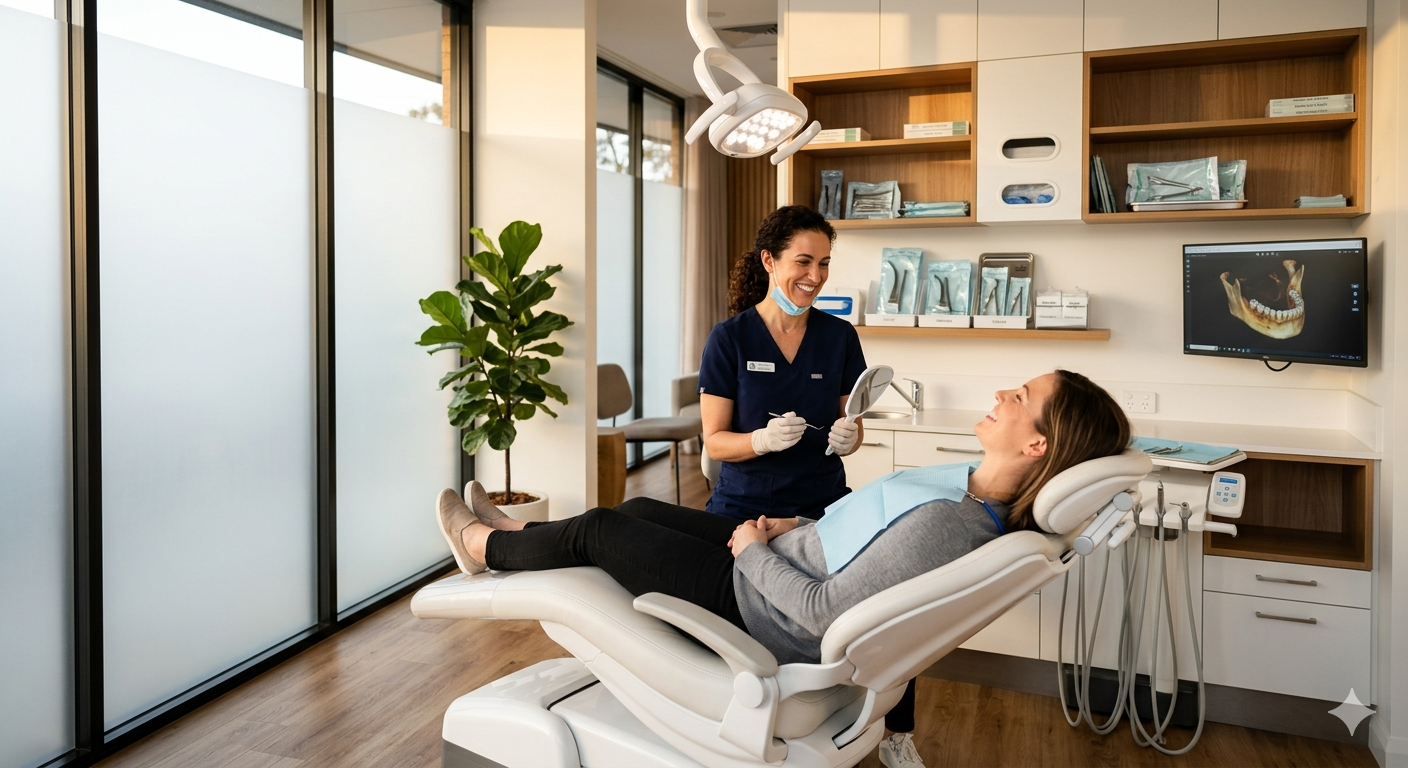
Dental issues can range from mild annoyances to serious problems needing quick action. Identifying what symptoms signal an emergency helps patients get the care they need without delay or confusion.
Common Symptoms Requiring Urgent Care
Certain signs usually mean immediate dental attention is necessary. These include severe tooth pain that doesn’t improve with over-the-counter painkillers, swelling around the face or gums, and bleeding that won’t stop after 15 minutes.
Other key symptoms are a knocked-out tooth, loose teeth following trauma, or a broken tooth exposing sensitive nerve tissue. Difficulty breathing or swallowing related to dental infections also demands rapid evaluation at an emergency dental office.
Recognizing these symptoms early helps prevent infection spread and reduces long-term damage.
When to Seek Immediate Attention
Prompt dental care matters if pain worsens suddenly or new symptoms appear after regular hours. If swelling blocks the airway or there is uncontrollable bleeding, patients should visit an emergency room immediately before contacting a dentist.
For injuries like tooth avulsion (complete tooth loss), immediate dental consultation within an hour improves chances of saving the tooth. Persistent high fever with facial swelling after dental trauma also signals the need for urgent medical care.
A quick call to an emergency dentist in Camarillo, CA, clarifies when to come in promptly versus when to wait for a scheduled appointment.
Difference Between Urgent and Non-Urgent Dental Issues
Urgent dental problems usually involve severe pain, infection risk, or trauma that could cause permanent damage. Non-urgent issues often include mild toothaches, sensitivity to temperature, or old dental work that’s loose but not causing pain.
Urgent care prevents worsening conditions like abscesses or fractures. Non-urgent care allows time for evaluation and planned treatment.
Understanding this difference helps patients manage discomfort while knowing when to prioritize emergency dental visits in Camarillo, CA. Dentists are available to guide patients on which symptoms need immediate care and which can wait.
Types of Urgent Dental Problems
Urgent dental issues can disrupt daily life and cause serious discomfort. Knowing the main problems that require prompt attention helps patients take quick action and protect their oral health.
Severe Toothaches and Oral Pain
Severe toothaches often signal an underlying problem like decay, infection, or inflammation of the dental pulp. The pain can be constant or intermittent, sharp or throbbing, and may worsen when biting or exposure to hot and cold.
If left untreated, infections causing toothaches can spread, leading to more serious health risks. Emergency dentists typically diagnose the cause through examination and X-rays, then relieve pain through treatments like root canals or antibiotics.
Patients should avoid home remedies that mask pain without treating the cause. Quick professional care is essential to preserve the tooth and prevent complications.
Broken or Knocked-Out Teeth
Broken teeth vary in severity, from minor chips to fractures that expose the pulp. A knocked-out tooth is more urgent: saving it depends greatly on immediate action. Ideally, the tooth should be rinsed (not scrubbed) and placed back or in milk to keep it moist.
Emergency dental care involves evaluating the damage and repairing the tooth. Options include bonding, crowns, or reimplantation for knocked-out teeth. Speed matters—treatment within an hour of injury improves chances of tooth survival.
Managing bleeding and avoiding further trauma are also key steps before seeing a dentist.
Dental Infections and Abscesses
A dental abscess is a pus-filled infection that usually forms at the root or between the tooth and gum. It causes swelling, severe pain, sensitivity, and sometimes fever or swollen lymph nodes.
This condition demands swift treatment to stop infection spread. Dentists may drain the abscess, prescribe antibiotics, and address the infection source, often with a root canal or extraction.
Ignoring abscesses can result in dangerous complications, making urgent dental evaluation crucial at the first sign of symptoms.
Lost Fillings and Crowns
Fillings and crowns protect weakened teeth, so losing them exposes the tooth to decay and sensitivity. The area may feel sharp or uncomfortable, and food can get stuck, increasing infection risk.
Emergency dentists can temporarily restore the tooth with dental cement or a new crown until permanent repair is possible. Acting quickly prevents the tooth from deteriorating further.
Patients should save the filling or crown if possible and avoid chewing on the affected side until care is provided.
What To Do Before You Arrive
Preparing properly before arriving at an emergency dental office can make a big difference. Knowing basic first aid, handling a dislodged tooth carefully, and managing pain effectively will help ease discomfort and protect your smile.
First Aid Tips for Dental Accidents
When a dental injury occurs, staying calm is crucial. For cuts or bleeding, rinse the mouth gently with warm water and apply clean gauze or a cloth to stop bleeding. Avoid pressing hard on the injury to prevent further damage.
If there is swelling, using a cold compress on the outside of the cheek can reduce pain and inflammation. Avoid applying ice directly to the skin; wrap it in a cloth instead. Keep the head elevated to slow bleeding and swelling.
In case of jaw injuries, try not to move the jaw and avoid eating or drinking until evaluated by a professional. If the injury involves a broken tooth, collect any fragments and bring them to the dentist, as they may be needed for repair.
Safe Handling of Dislodged Teeth
If a tooth is completely knocked out, quick and careful action is vital. Hold the tooth by the crown (the chewing surface), never by the roots, to avoid damaging fragile cells needed for reattachment.
Rinse the tooth gently with water if it’s dirty, but do not scrub, wipe, or use soap. After rinsing, try to place the tooth back into its socket if possible. If reinsertion is not possible, store it in a container of milk, saliva, or a tooth preservation kit.
Time impacts the chance of saving the tooth, so arrive at the dental office within 30 minutes if you want to maximize the chance for reimplantation. Avoid wrapping the tooth in tissue or dry cloth as this can harm the root cells.
Pain Management at Home
Pain after an injury or before treatment can be managed carefully at home. Over-the-counter pain relievers like ibuprofen or acetaminophen can reduce discomfort. Follow dosage instructions closely.
Avoid aspirin because it may increase bleeding. Use a cold compress on the face near the painful area for 10 to 15 minutes at a time. Do not apply heat, which can worsen swelling.
Stay away from hot, cold, or hard foods that might irritate the injury. Rinse gently with warm salt water to keep the area clean but avoid vigorous rinsing or spitting. If pain worsens or swelling spreads, visit the dentist promptly.
How Emergency Dental Visits Work
Emergency dental visits are designed to provide fast, focused care to relieve pain and address urgent problems. From the moment patients arrive, dentists assess the situation carefully and use the latest techniques to manage discomfort and support healing.
What to Expect During Your Appointment
When patients arrive for emergency dental care, the team typically starts with a quick but thorough evaluation. This includes discussing symptoms, examining the affected area, and often taking X-rays to identify fractures, infections, or other hidden issues.
After the diagnosis, the dentist explains the treatment options clearly, including any immediate procedures needed. Treatment can range from tooth extraction, root canal therapy, to simple pain management. Patients can expect the appointment to prioritize addressing their pain first, followed by plans for more comprehensive care if needed.
The staff will also check medical history and current medications to ensure safe treatment. The focus is always on delivering swift relief and preventing further damage.
Modern Pain Relief Techniques
Pain control is a top priority during emergency dental visits. Dentists use a variety of methods to keep patients comfortable and reduce anxiety. Local anesthesia is most common, numbing only the targeted area so patients remain awake but pain-free.
For more severe pain, sedation options such as nitrous oxide (laughing gas) or oral sedatives might be offered. These help patients relax during procedures without the need for general anesthesia.
Non-drug strategies like cold compresses and gentle handling also contribute to comfort. Dentists adjust pain relief methods based on each patient’s needs to ensure the best possible experience during urgent treatments.
Comfort Measures and Patient Support
Dentists and their teams understand that emergency visits can be stressful. They focus on creating a calm, reassuring environment. Friendly communication helps patients know what’s happening at every step, reducing fear.
Soft music, cozy blankets, and cushioning in the dental chair are common ways to enhance comfort. Some offices offer headphones or distractions like TV to take attention away from the procedure.
Patient support continues after the appointment, with detailed aftercare instructions and easy access to follow-up consultations. This care helps patients feel supported through recovery and encourages them to ask questions or report any concerns promptly.
Aftercare and Recovery
Proper care after emergency dental treatment is crucial for smooth healing and comfort. Patients should follow specific instructions to reduce pain, avoid infection, and ensure the best outcome.
At-Home Care for Healing
After an emergency dental visit, maintaining good oral hygiene is important but must be gentle. Using a soft-bristled toothbrush and rinsing with warm salt water can help keep the area clean without irritating sensitive tissue.
Pain and swelling are common. Taking over-the-counter pain relievers as directed can ease discomfort. Applying an ice pack to the cheek near the affected area for 10-15 minutes at a time helps reduce swelling.
Avoid hard, crunchy, or sticky foods for several days. Choosing soft foods like yogurt, mashed potatoes, and soup allows healing without putting strain on treated teeth. Staying hydrated is vital, but patients should avoid hot drinks or alcohol immediately after surgery.
Signs You Should Follow Up With Your Dentist
Certain symptoms indicate the need for a follow-up appointment. Persistent or worsening pain beyond a few days could signal infection or complications. If swelling increases or spreads to the neck or face, this requires prompt attention.
Bleeding that doesn’t stop after several hours or returns after initially stopping should be reported. Patients may also need to see the dentist if they experience fever, bad taste or smell in the mouth, or difficulty opening their mouth or swallowing.
If dental work feels loose or crooked, or if numbness lasts longer than expected, scheduling a check-up is important. Early communication helps prevent small issues from becoming serious problems.
Choosing the Right Emergency Dentist in Camarillo
Finding the right emergency dentist means focusing on reliability, experience, and patient care. Knowing what to ask and what qualities to look for helps ensure quick relief and proper treatment during dental emergencies.
Qualities of a Trustworthy Urgent Care Provider
A trustworthy emergency dentist in Camarillo should offer extended hours, including nights and weekends, to accommodate unexpected situations. They must respond quickly, minimizing wait times to relieve pain and prevent complications.
Look for providers with advanced training in urgent dental care and access to modern technology like digital X-rays and same-day treatment options. Positive reviews from local patients often highlight gentle care and clear communication. A caring staff that prioritizes comfort and explains procedures calmly also makes a big difference in stressful moments.
Questions to Ask Before Your Visit
Before heading to an emergency dentist, it helps to ask key questions. Inquire about their availability during holidays or weekends and how fast they can see you after a call.
Check whether they accept your insurance or offer payment plans since costs can vary widely. Asking about their approach to pain management and follow-up care offers peace of mind. Also, confirm what kinds of emergencies they handle onsite, such as knocked-out teeth, infections, or broken crowns. This helps avoid surprises and ensures you are in capable hands.
Preventing Future Dental Emergencies
Maintaining a healthy smile requires ongoing care and mindful daily choices. Taking simple steps can significantly reduce the chance of sudden dental problems, protecting both teeth and gums.
Good Oral Hygiene Habits
Brushing at least twice a day with fluoride toothpaste is fundamental. It removes plaque that causes cavities and gum disease, the most common triggers of dental emergencies. Using a soft-bristled brush and replacing it every three months helps prevent gum damage.
Flossing daily clears debris between teeth where a toothbrush can’t reach. For extra protection, antimicrobial mouthwash can reduce bacteria, especially for those prone to gum inflammation.
Regular dental check-ups every six months allow early detection and treatment before issues escalate into emergencies. Prompt treatment of small cavities or infections can avoid extreme pain or tooth loss later.
Lifestyle Changes for a Healthier Smile
Cutting back on sugary snacks and acidic drinks protects enamel from erosion and decay. Drinking water after meals helps wash away food particles and maintain saliva flow, which naturally defends against bacteria.
Avoiding tobacco products reduces the risk of gum disease and oral infections. Wearing a mouthguard during sports or teeth grinding prevents trauma and fractures.
Managing stress, which can cause teeth grinding, also protects tooth structure. A balanced diet rich in calcium and vitamins supports strong teeth and gums.
Taking these steps helps keep smiles safe, comfortable, and less likely to require emergency care.
When to Visit the Emergency Room Instead
Some dental issues require immediate medical attention beyond what a dental office can provide. If a person experiences severe facial trauma, such as a broken jaw or deep cuts in the mouth, the emergency room (ER) is the best place to go.
Uncontrolled bleeding after an injury is another clear reason to seek ER care. If bleeding doesn’t stop after 15-20 minutes of applying pressure, it can be a sign of a more serious problem.
Other emergency room situations include:
- Difficulty breathing or swallowing
- Swelling that affects the airway or vision
- High fever alongside dental pain, indicating a spreading infection
Dental offices are equipped to handle pain relief, broken teeth, and minor infections, but the ER has resources for life-threatening issues and complex injuries. In these cases, the focus is on stabilizing the patient before follow-up dental care.
If symptoms worsen rapidly or involve other body areas, visiting the ER is safer than waiting for a dental appointment. Knowing when to choose the ER ensures timely care and prevents complications.
Next Steps: Reach Out for Support
When a dental emergency strikes, the next step is to contact a trusted dental provider in Camarillo, CA, without delay. Prompt communication ensures quick access to care, which can reduce pain and prevent further damage.
What to do next:
- Call your dental office or emergency hotline immediately.
- Describe the problem clearly, including any pain or visible damage.
- Follow any instructions given to stabilize your condition before arrival.
Many local dental offices offer flexible scheduling for urgent needs, including after-hours appointments. This means help is often just a phone call away, no matter the time.
Remember, reaching out early means less stress and better outcomes. The dental team is there to answer your questions and provide support tailored to your situation.
Encourage loved ones to know these contacts, too, so everyone feels prepared. Taking that first step builds a bridge to relief and recovery, making what can be a scary moment more manageable.
Frequently Asked Questions
Emergency dental issues can vary widely, from sudden pain to broken teeth or infections. Knowing which situations require immediate attention and how to handle them can make a big difference in outcomes.
What counts as a true dental emergency, and what can safely wait until the next day?
True dental emergencies include severe pain, uncontrolled bleeding, knocked-out teeth, and swelling that affects breathing or swallowing. Minor discomfort, small chips, or loose crowns often can wait for a scheduled appointment.
If I go to the emergency room for a tooth problem, what can they actually do to help?
Emergency rooms can manage pain and treat infections with antibiotics or painkillers. However, they rarely perform dental procedures like extractions or root canals and will usually refer patients to a dentist.
How can I tell the difference between normal tooth pain and a serious infection that needs urgent care?
Normal tooth pain is often localized and mild, while pain from an infection tends to be intense, persistent, and may be accompanied by swelling, fever, or bad taste in the mouth. These signs indicate a need for prompt dental treatment.
What is the “3-3-3 rule” for a tooth infection, and when should I be worried?
The “3-3-3 rule” means if swelling lasts more than three days, pain intensifies over three days, or fever persists past three days, immediate dental care is necessary. These signs often point to a worsening infection.
What should I do right now if a tooth is knocked out or broken to give it the best chance of being saved?
If a tooth is knocked out, rinse it gently (don’t scrub), keep it moist in milk or saliva, and get to the dentist within an hour. For a broken tooth, save any fragments and visit the dentist quickly to prevent further damage.
What are my options if I need urgent dental treatment but I’m worried about the cost?
Many dentists offer payment plans, sliding scale fees, or can direct patients to community clinics with affordable care. It’s important to communicate financial concerns early to explore these options without delaying treatment.