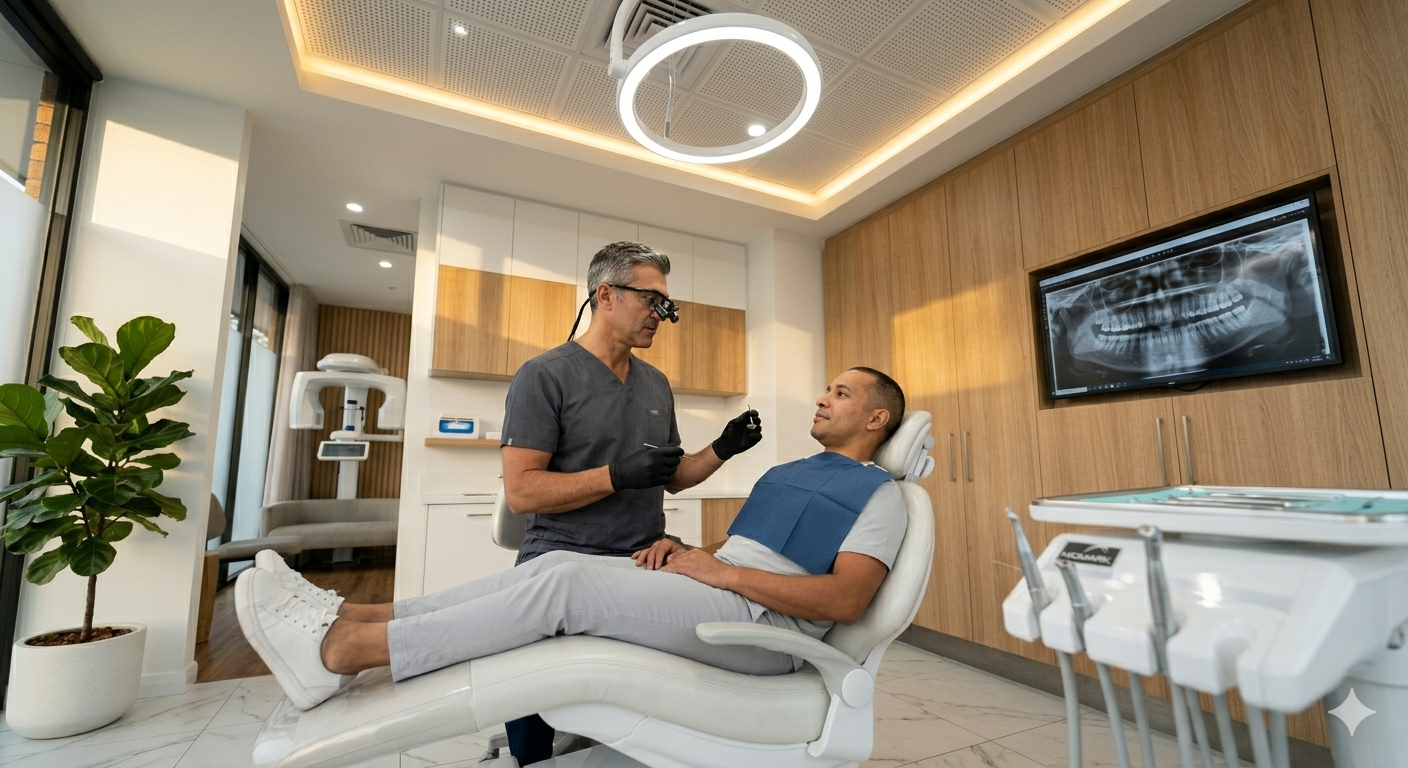
If a sudden toothache, broken tooth, or lost filling strikes, Camarillo offers prompt care to stop pain and prevent complications. You can get urgent dental attention same day from local practices that prioritize emergency slots, pain control, and quick diagnostics.
This article guides you through recognizing true dental emergencies, what to expect during an emergency visit, and simple steps to take before you arrive. It also explains common treatments, how modern dentistry eases emergencies, and how to choose the right Camarillo practice so you feel prepared and calm when minutes matter.
Recognizing Dental Emergencies
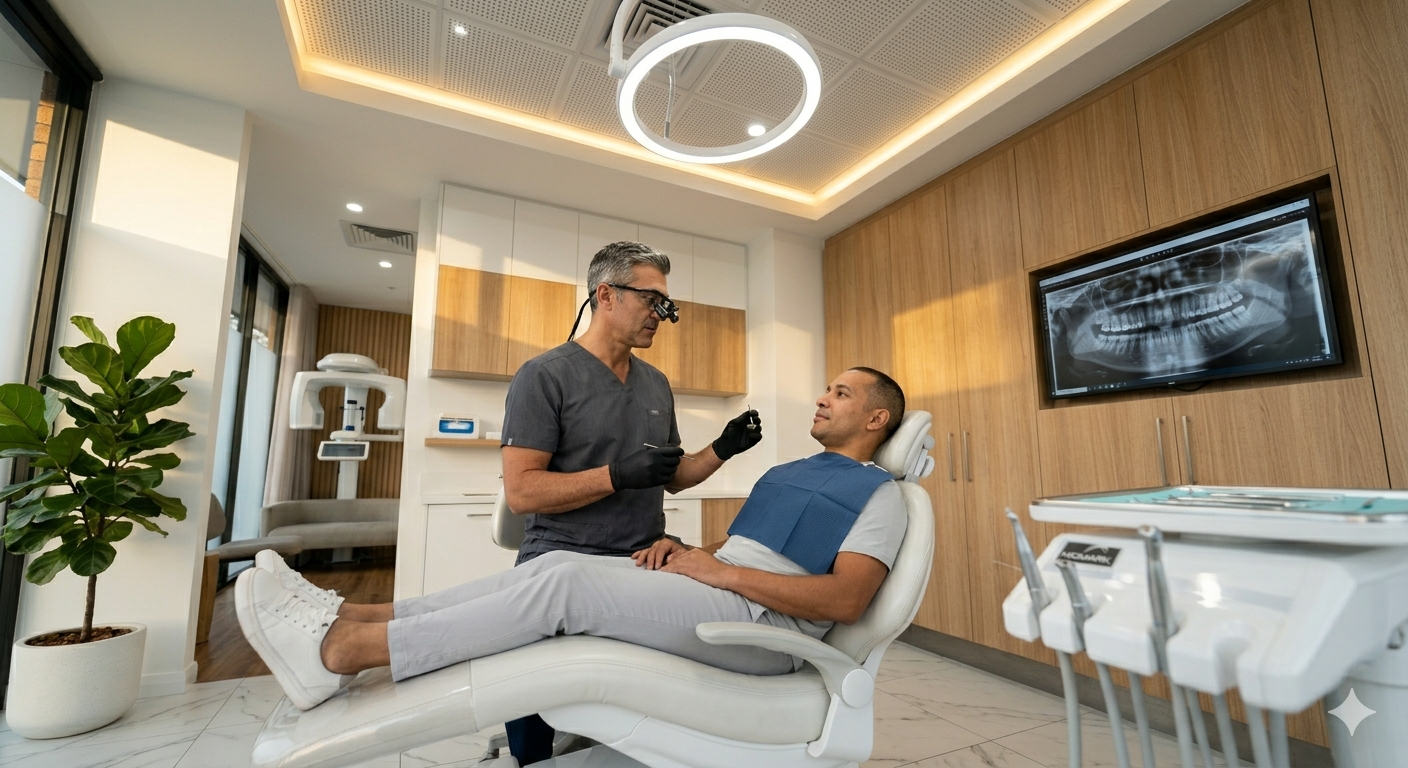
This section explains clear, practical signs of dental emergencies, the urgent issues that commonly require prompt attention, and the specific situations that should prompt an immediate dental visit.
Common Signs You Need Immediate Care
Severe, persistent tooth pain that wakes a person at night or prevents normal activities often signals an infection or nerve involvement and needs same-day evaluation.
Visible swelling of the face or mouth—especially if accompanied by fever, difficulty breathing, or trouble swallowing—can indicate a spreading infection and requires urgent treatment.
A tooth that is knocked out, fractured with exposed nerve, or loose after trauma demands fast action to increase the chance of saving the tooth.
Continuous bleeding from a mouth injury that does not stop after 10–15 minutes of firm pressure is an emergency and should be treated promptly.
Sudden changes in bite, intense sensitivity to hot or cold that lingers, or a bad taste with drainage from a tooth suggest abscess or advanced decay.
If symptoms are severe, worsening, or accompanied by systemic signs like fever, arrange emergency dental care immediately.
Types of Urgent Dental Issues
Dental abscesses are pockets of infection around a tooth root or gum; they cause throbbing pain, localized swelling, and sometimes fever.
Treatment commonly includes drainage, antibiotics, and either root canal therapy or extraction depending on tooth salvageability.
Traumatic injuries include avulsed (knocked-out) teeth, fractured crowns, and jaw fractures.
A knocked-out permanent tooth should be handled by the crown, rinsed gently, kept moist (milk or saliva), and brought to the dentist within an hour for the best chance of reimplantation.
Broken restorations that expose dentin or pulp create pain and infection risk; temporary repair followed by definitive restoration is typically needed.
Severe gum infections, such as spreading cellulitis or Ludwig’s angina, are medical emergencies that require immediate dental and sometimes hospital care.
When to Visit a Dentist Right Away
Seek same-day dental care for intense, unrelenting tooth pain, facial swelling, uncontrolled bleeding, or difficulty breathing or swallowing.
Contact a dental office or local emergency dental clinic in Camarillo, CA, and describe symptoms so staff can prioritize urgent cases.
Go to the dentist within 24 hours for a knocked-out permanent tooth (sooner is better), a large fracture exposing the pulp, or a tooth that becomes extremely sensitive after trauma.
If an abscess is suspected, prompt intervention reduces the risk of spread; the dentist may prescribe antibiotics and schedule drainage or root canal treatment.
For moderate pain without swelling or fever, call the dental office for same-day or next-day availability and follow home-care advice provided by staff.
Keep insurance and medication information ready to speed triage and ensure the most appropriate, comfortable treatment plan.
What To Expect During Emergency Visits
Patients will find a clear, focused process: a quick medical review, targeted pain control, and fast diagnostics to identify the problem and plan treatment. Staff prioritize comfort, reduce infection risk, and explain each step before proceeding.
Initial Assessment and Triage
When a patient arrives, a trained dental assistant or front-desk clinician asks about symptoms, recent medical history, medications, and allergies. They note pain onset, intensity on a 0–10 scale, any swelling, bleeding, or trauma, and whether fever or difficulty breathing is present.
Next, a dentist performs a focused oral exam. They inspect soft tissues, teeth, restorations, and look for signs of infection or fracture. If swelling threatens the airway or systemic infection is suspected, the dentist escalates care immediately and may arrange urgent medical evaluation.
The practice documents vital signs when infection or medical risk appears. This triage determines whether treatment starts immediately, if radiographs are needed first, or if scheduling for a follow-up procedure is safer.
Pain Relief and Comfort Measures
Dentists address pain quickly with local anesthesia, topical gels, or short-acting oral analgesics as appropriate. For severe pain, they may prescribe nonsteroidal anti-inflammatory drugs (NSAIDs) or a limited opioid regimen while planning definitive treatment.
Cold packs, head elevation, and guidance on soft-food diets help reduce swelling and discomfort at home. For anxious patients, nitrous oxide or oral sedatives can be offered after assessing medical suitability.
If infection causes the pain, the dentist often prescribes antibiotics and schedules drainage or a root canal within 24–72 hours. The team explains expected timelines for pain improvement and signs that require immediate return.
Diagnostic Tools Used by Dentists
Digital periapical and bitewing X-rays provide high-resolution images of tooth roots, bone levels, and decay in minutes. Panoramic radiographs may be used for trauma to view jaws, impacted teeth, or multiple fractures in a single scan.
Cone beam CT (CBCT) is available in many practices for complex cases; it maps 3D anatomy when planning extractions, implant emergencies, or suspected jaw fractures. Dentists choose CBCT selectively to limit radiation exposure.
Intraoral cameras and transillumination help visualize cracks, chips, and soft-tissue lesions for patient education. Rapid point-of-care tests, like swabs for suspected bacterial infection, are used when culture results would change immediate treatment.
Most Frequent Emergency Treatments
Emergency dental offices in Camarillo handle a small set of urgent problems most of the time: fractured or avulsed teeth, severe toothaches or infections, and lost fillings or crowns. Rapid evaluation, pain control, and temporary stabilization usually come first, followed by definitive treatment tailored to the tooth and patient.
Managing Broken or Knocked-Out Teeth
When a tooth is broken but still in the mouth, the clinician first inspects for pulp exposure, large fragments, or sharp edges. Small enamel chips often need smoothing and a bonded composite repair; larger fractures that expose dentin or the pulp may require root canal therapy and a crown to restore strength and prevent infection.
If a tooth is completely knocked out (avulsed), time is critical. The tooth should be handled by the crown only, rinsed gently if dirty, and ideally reimplanted within 30–60 minutes. If reimplantation isn’t possible, store the tooth in milk or Hank’s Balanced Salt Solution and bring it to the clinic immediately; the clinician will assess root damage, splint the tooth, and prescribe antibiotics and tetanus check as needed.
Soft-tissue lacerations to lips or tongue are also common with trauma. These are cleaned, possibly sutured with dissolvable stitches, and assessed for tooth fragments or foreign bodies. Follow-up X-rays and bite assessments ensure proper jaw alignment and healing.
Treating Severe Toothaches and Infections
Severe toothache often signals pulpitis or dental abscess. The emergency clinician focuses on pain control, infection management, and identifying the source with clinical tests and radiographs. Over-the-counter analgesics are recommended initially; stronger prescription pain meds may be provided for short-term relief.
If the pulp is irreversibly inflamed or an abscess is present, options include urgent root canal therapy to remove infected tissue or extraction if the tooth can’t be saved. Drainage of an abscess may be performed to reduce pressure and pain. Antibiotics are prescribed when there is spreading infection, systemic signs (fever, swelling), or immunocompromised status.
Patients with swelling near the eye, difficulty breathing, or difficulty swallowing need immediate referral to emergency medical services or the hospital. The clinician explains risks clearly and arranges rapid hospital transfer when airway or systemic infection is a concern.
Temporary Solutions for Lost Fillings or Crowns
A lost filling or crown exposes dentin and can cause sensitivity or pain when biting. The clinician cleans the area, removes decay, and places a temporary filling or re-cements the crown when feasible to protect the tooth and restore function until a permanent restoration is scheduled.
For small lost fillings, a durable temporary material is placed and instructions given to avoid sticky or hard foods. If a crown is intact, the office may re-cement it using dental cement; if the crown is damaged, they take impressions or scans for a new restoration. Patients receive guidance on home care, signs of infection, and the recommended timeline for a definitive crown or onlay.
When a temporary repair is in place, clinicians also assess adjacent teeth and bite to prevent further complications and schedule expedited follow-up for a long-term solution. Contact the office promptly if pain increases, sensitivity worsens, or the temporary material fails.
How Modern Dentistry Makes Emergencies Easier
Modern emergency dentistry shortens pain, speeds diagnosis, and restores function using targeted procedures and smart imaging. Patients receive predictable treatments like same-day crowns, nerve-block anesthesia, and guided extractions that minimize time in the chair and reduce repeat visits.
Latest Techniques for Rapid Relief
Dentists now use targeted local anesthetics and nerve-block techniques to control severe tooth pain immediately. These provide fast, reliable numbness for procedures such as root canal therapy, fracture stabilization, or tooth extraction, allowing treatment to proceed with minimal discomfort.
Same-day restorations—digital impressions plus CAD/CAM milling—let clinics place porcelain crowns or onlays in a single visit. That removes the delay and irritation of temporary crowns and reduces the risk of infection or further breakage.
For broken or knocked-out teeth, dentists employ tooth reimplantation protocols and splinting within the optimal time window to improve long-term survival. When infection is present, focused antibiotic protocols and incision-and-drainage techniques control spread quickly while definitive treatment proceeds.
Advanced Technology for Quick Diagnosis
Cone-beam CT (CBCT) and digital periapical X-rays pinpoint fractures, root canal anatomy, and bone loss in minutes. High-resolution images let dentists plan precise interventions—such as targeted root canal therapy or guided implant placement—without guesswork.
Intraoral cameras and optical scanners show patients close-up views of damage and restorations, improving communication and consent. They also speed up treatment planning by producing immediate digital files for labs or in-office mills.
Laser-assisted diagnostics and pulp vitality tests help determine whether a tooth needs root canal therapy or can be saved with protective restoration. These tools reduce unnecessary procedures and guide timely, minimally invasive care.
Steps To Take Before Reaching the Dentist
Act quickly and calmly. Stabilize the situation, gather key information, and prepare to ease anxiety so treatment proceeds smoothly.
At-Home First Aid Tips
For a knocked-out tooth, handle it by the crown only. Rinse debris with milk or saline; do not scrub. If possible, gently reinsert the tooth into its socket and hold it in place, or store it in a small container of milk or Hank’s Balanced Salt Solution. Time matters—bring the tooth to the dentist within 60 minutes for the best chance of replantation.
For severe bleeding, apply firm pressure with sterile gauze or a clean cloth for 10–15 minutes. If bleeding soaks through, add another layer; do not remove the first gauze. Use a cold pack on the outside cheek for 10–20 minutes to reduce swelling and slow bleeding.
For tooth pain or swelling without trauma, rinse with warm salt water (½ teaspoon salt in 8 ounces of water) and floss gently to remove trapped food. Use over-the-counter ibuprofen as directed for pain and inflammation. Avoid aspirin directly on gums and do not place topical numbing agents on broken skin.
What Information to Bring
Bring a photo ID and your dental insurance card or policy number to speed check-in and coverage verification. If uninsured, bring a credit/debit card or a list of preferred payment methods to discuss options at arrival.
Prepare a short timeline of the event: when the pain or injury began, what caused it, any first-aid already performed, and how symptoms changed. Note current medications, allergies (especially to antibiotics or anesthetics), and major medical conditions like diabetes or heart disease that could affect treatment.
If available, bring recent dental X-rays or the name of the previous dentist for records transfer. Pack the tooth or broken fragment in milk or saline and a list of questions for the dentist, such as expected wait time, possible procedures, and estimated costs.
Handling Dental Anxiety
They should acknowledge anxiety as normal and tell the dental office about fears when calling. Many Camarillo practices offer accommodations—quiet rooms, noise-cancelling headphones, or video distractions—to make arrival less stressful.
Discuss sedation options before arrival if anxiety is severe. Oral sedatives, nitrous oxide (laughing gas), and IV sedation are common choices; the dentist will advise based on medical history and procedure complexity. Bring a responsible adult if sedation is planned, since driving afterward is unsafe.
Use simple breathing techniques while waiting: inhale for four counts, hold for four, exhale for six. Listening to a favorite playlist or audiobook can shift focus. They should also prepare short notes about questions or concerns to discuss with the dentist during the visit.
Choosing the Right Practice in Camarillo
Look for a practice that responds quickly, offers clear cost information, and maintains modern infection-control and sedation options. Prioritize practices that publish provider credentials, patient reviews, and hours for evenings or weekends.
Qualities of a Trustworthy Dental Team
A trustworthy team lists dentist and specialist credentials, including DMD/DDS degrees, board certifications, and continuing-education memberships (e.g., ADA, California Dental Association). They display staff photos and roles so patients know who will provide care.
Transparent communication matters. The practice explains diagnosis, shows X-rays or intraoral photos, and provides written treatment options with cost estimates and payment or insurance guidance. Emergency protocols should be clear: same-day appointments, on-call contact, and triage procedures.
Safety and comfort features include modern sterilization procedures, digital imaging, nitrous oxide or oral sedation options, and staff trained in ACLS or emergency response. Patient-centered touches—private operatories, clear consent forms, and follow-up calls—indicate a practice that balances clinical skill with compassionate care.
Importance of Local Care and Convenience
Local proximity reduces travel time during pain or swelling, so a practice within Camarillo city limits or nearby neighborhoods like Pleasant Valley offers practical advantages. Short drive times matter when someone needs urgent relief or repeat visits for treatment.
Extended hours and weekend availability matter for emergency situations. Practices that list evening hours and a weekend rota or an on-call clinician minimize delays in pain control and definitive care. Confirm whether the practice accepts new patients for same-day emergencies.
Insurance acceptance, transparent pricing, and in-house financing options also affect access. A practice that verifies benefits, files claims electronically, and offers clear out-of-pocket estimates prevents surprise bills and speeds treatment decisions.
Preventing Future Dental Emergencies
Daily choices and a tailored prevention plan greatly reduce the chance of sudden tooth pain, broken teeth, or lost restorations. Simple routines, protective gear, and regular professional care protect teeth and restorations and make emergencies less likely.
Everyday Habits That Protect Your Smile
They should brush twice daily with a fluoride toothpaste for two minutes, using a soft-bristled brush to remove plaque without wearing enamel. Flossing once a day removes food and bacteria between teeth where decay often starts.
They should limit sticky candies, ice-chewing, and hard nuts that can fracture fillings or natural teeth. When eating, cut hard foods into small pieces and avoid biting directly with front teeth if a tooth feels sensitive.
They should wear a custom nightguard if they grind teeth and a fitted sports mouthguard for contact sports. Both devices distribute force and reduce fractures, chipping, and tooth mobility.
They should schedule dental checkups every six months or as recommended, and get X-rays when indicated to catch small problems before they become emergencies.
Customized Prevention Plans
A dentist will assess bite, restorations, gum health, and risk factors like dry mouth or diabetes to create a prevention plan. The plan often includes targeted fluoride varnish, antimicrobial rinses, or desensitizing treatments based on specific needs.
For patients with multiple restorations or a history of fractures, the dentist may recommend replacing high-risk amalgam or worn crowns with more durable crowns or onlays. They may suggest occlusal adjustment or orthodontic consultation if misalignment causes uneven forces.
For people with medical conditions that raise risk, the team coordinates with the patient’s physician and adjusts medication timing, oral hygiene advice, and appointment frequency. They also demonstrate proper use of any recommended appliances and schedule follow-ups to monitor effectiveness.
Supporting Loved Ones During Dental Emergencies
When someone experiences a dental emergency, calm actions help more than panic. Family members should first ensure the person is safe, comfortable, and breathing normally. If there is heavy bleeding or signs of concussion, call 911 immediately.
Offer practical first aid: rinse the mouth with warm water, apply gentle pressure with clean gauze to control bleeding, and use a cold compress to reduce swelling. For a knocked-out tooth, pick it up by the crown, avoid touching the root, and try to place it back into the socket or store it in milk or saline while getting to the dentist within an hour.
Communicate clearly and compassionately. Explain each step in simple terms, reassure them that help is on the way, and encourage slow, steady breathing to reduce anxiety. Avoid minimizing their pain; validate their experience and focus on what can be done now.
Prepare key information before arriving at the emergency dental clinic: a list of medications, allergies, insurance details, and a brief medical history. Bring any fragments of a tooth in a clean container and note the time of injury—this can affect treatment decisions and outcomes.
After urgent care, support recovery by following post-treatment instructions precisely, helping schedule follow-up visits, and monitoring for infection or worsening pain. Encourage preventive habits and offer to accompany them to appointments to ease stress and improve adherence to dental advice.
Reaching Out for Expert Help in Camarillo
When someone in Camarillo faces a dental emergency, they should contact a local dental office right away. Many practices offer same-day appointments or emergency slots to address pain, swelling, or knocked-out teeth quickly.
They can call during business hours or use an office’s after-hours line if available. Patients should describe symptoms clearly—pain level, bleeding, and whether a tooth is loose or displaced—to help staff triage the situation.
The office will often provide immediate self-care steps over the phone, such as rinsing with warm saltwater, applying cold packs, or storing a knocked-out tooth in milk. These instructions can protect oral tissues and improve the chance of saving a tooth until professional care is available.
Below are quick contact tips to keep handy:
- Keep the dental office phone number and address saved on a mobile device.
- Note evening and weekend emergency policies before an urgent need arises.
- Bring a list of current medications and relevant medical history to the visit.
Modern Camarillo clinics prioritize patient comfort and use advanced techniques to treat emergencies efficiently. They can explain options like temporary stabilization, antibiotics, or referrals to specialists when needed.
Patients are encouraged to call a trusted local dentist at the first sign of a dental emergency. They will guide next steps and schedule the next available appointment to restore comfort and function.
Frequently Asked Questions
This section answers common concerns about urgent dental problems in Camarillo, including when to seek immediate care, what emergency rooms can and can’t do for dental issues, and practical steps to manage pain, swelling, or tooth trauma before seeing a dentist.
What situations count as a true dental emergency versus something that can wait until a regular appointment?
True emergencies include uncontrolled bleeding, severe facial swelling that affects breathing or swallowing, a tooth knocked completely out, and extreme pain that wakes a person or is not relieved by over-the-counter medication. Broken teeth exposing the nerve or signs of spreading infection also require urgent attention.
Problems that can usually wait include mild tooth sensitivity, a small chip that doesn’t expose the inner tooth, or a lost filling without significant pain. These deserve a prompt dental visit but typically are handled in routine appointments within a few days.
If I go to the emergency room for a severe toothache, what can they actually do to help?
Emergency departments can assess for life-threatening issues, control severe swelling or bleeding, and prescribe antibiotics or pain medication. They often cannot perform definitive dental procedures like root canals, tooth extractions, or restorations.
Patients should bring a list of symptoms, a current medication list, and contact information for any regular dentist so the ER can coordinate follow-up care. The ER will usually recommend urgent dental follow-up or referral to an on-call dentist.
What should I do right away if I have a dental emergency but don’t have a regular dentist yet?
Call a local dental clinic that offers same-day emergency appointments or look for community dental clinics in Camarillo that accept walk-ins. Many private practices and dental schools maintain emergency slots or on-call coverage for new patients.
If immediate treatment isn’t available, visit an urgent care clinic or the ER for severe symptoms; otherwise use safe home measures like cold packs and OTC pain relievers and arrange a dentist visit within 24–48 hours.
How can I tell if a tooth infection is getting dangerous, and when should I seek urgent care?
Signs of a dangerous infection include rapidly spreading facial swelling, fever, difficulty breathing or swallowing, severe pain unrelieved by medication, and swollen lymph nodes. Any of these signs requires immediate evaluation—call 911 or go to the nearest emergency department.
Early signs like persistent throbbing, gum redness, and localized swelling warrant same-day dental assessment to prevent progression. Dentists can treat early infections with drainage, antibiotics, or root canal therapy before they become systemic.
What’s the safest way to manage pain and swelling at home until I can be seen by a dentist?
Use over-the-counter ibuprofen or acetaminophen as directed for pain control; rotating them can provide longer relief if no contraindications exist. Apply a cold pack to the cheek for 10–20 minutes at a time to reduce swelling.
Avoid placing aspirin directly on gums or teeth, and do not attempt to remove deep fragments yourself. Maintain gentle oral hygiene and rinse with warm salt water (½ teaspoon salt in 8 ounces of water) several times daily to reduce bacteria.
If a tooth gets knocked out or broken, what steps should I take in the first 30 minutes?
If a tooth is knocked out, pick it up by the crown (not the root), rinse debris with plain water if dirty, and try to reinsert it into the socket if possible. If reinsertion isn’t possible, store the tooth in milk, saline, or the patient’s saliva and get to a dentist immediately—ideally within 30 minutes.
For a broken tooth, collect any large fragments, rinse the mouth, and apply a cold compress for swelling. Seek urgent dental care for exposed nerve tissue, heavy bleeding, or severe pain; the dentist will evaluate options like bonding, crowns, root canal, or extraction.