
When dental pain or injury strikes unexpectedly in Camarillo, knowing where to find reliable care can make all the difference. Emergency dentists in Camarillo, CA, are ready to provide swift, effective treatment to ease pain and prevent complications. An emergency dentist can address urgent dental issues like severe toothaches, broken teeth, and infections quickly, helping patients get back to feeling comfortable.
These dentists understand that emergencies don’t follow office hours, so many offer flexible scheduling or same-day appointments. Their goal is to provide gentle, expert care in a calm environment, putting patients at ease during stressful moments.
With modern technology and personalized treatment plans, emergency dental care in Camarillo focuses on both immediate relief and long-term health. If unexpected dental problems arise, contacting a trusted emergency dentist can be the first step to restoring comfort and protecting your smile.
Recognizing Dental Emergencies
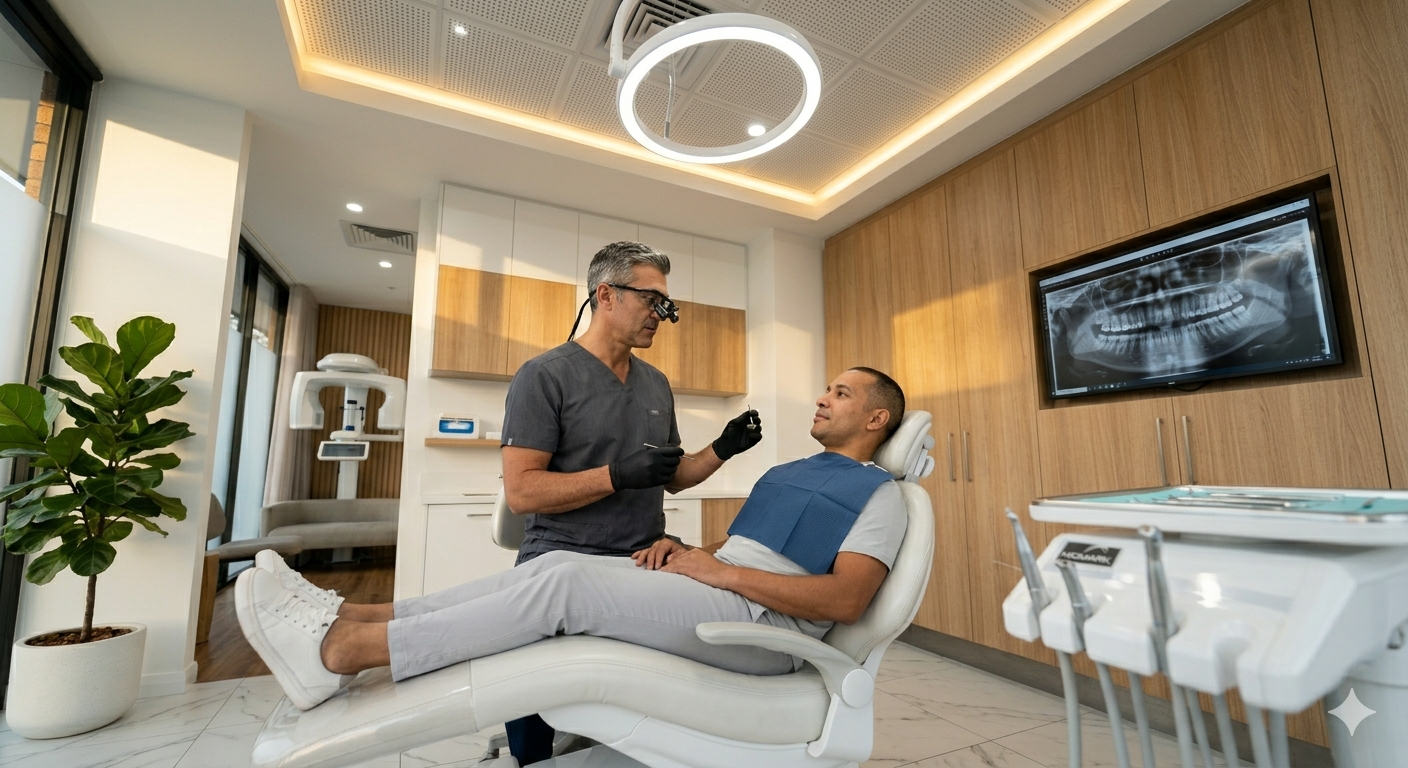
Dental emergencies can be clear or subtle, but identifying them quickly is key to preventing further damage. Pain, swelling, or visible injury often signals urgent care is needed. Knowing when to act and where to go can protect teeth and avoid complications.
Signs You Need Urgent Dental Care
Severe tooth pain that won’t subside with over-the-counter painkillers is a major red flag. Sudden swelling of the face or gums may indicate an infection requiring prompt treatment. Bleeding that doesn’t stop after 10-15 minutes, especially following injury, also demands immediate attention.
A knocked-out tooth needs action within an hour for the best chance of saving it. Difficulty breathing or swallowing along with oral pain should be evaluated right away. Persistent bad taste or drainage in the mouth could signal an abscess needing quick care.
Common Types of Dental Emergencies
Broken or cracked teeth from accidents can expose nerves and cause intense pain. Lost fillings or crowns leave sensitive areas vulnerable and often cause discomfort. Infections like abscesses create swelling, throbbing pain, and sometimes fever.
A tooth pushed out of place, called luxation, often results from trauma and requires stabilization. Soft tissue injuries—cuts or tears to the lips, tongue, or gums—might bleed heavily and need stitches. Sudden severe jaw pain can signal joint issues or dislocation needing emergency help.
When to Visit a Dentist Versus the ER
A dentist is best for tooth-related emergencies like fractures, infections, or knocked-out teeth when the airway is clear and no life-threatening symptoms exist. Dentists provide pain management, repair, and infection control.
An emergency room is necessary for injuries involving heavy bleeding that won’t stop, jaw fractures, or breathing difficulties. If there is head trauma alongside dental injury, immediate ER care is critical.
Quick judgment helps avoid unnecessary ER visits and speeds up the right treatment. Patients who’re unsure should call their dental office or seek emergency dental care services.
Immediate Steps for Dental Accidents
When dental injuries happen, quick and informed actions can make a big difference in preserving teeth and reducing pain. Knowing exactly what to do helps control the situation until professional care is available.
Handling Toothaches and Swelling
Toothaches often signal infection or injury and should not be ignored. Applying a cold compress on the cheek near the sore area can reduce swelling and numb pain temporarily. Over-the-counter pain relievers like ibuprofen can also help ease discomfort.
Rinsing the mouth gently with warm salt water removes debris and reduces bacteria. Avoid placing aspirin directly on the gums, as this can cause irritation. If swelling worsens or pain is severe, seeking immediate dental care is essential to prevent complications.
What to Do If a Tooth Is Knocked Out
A knocked-out tooth requires urgent action to increase the chances of saving it. Handle the tooth by the crown (the top part), avoiding the root to prevent damage. Rinse it gently with water if dirty, but do not scrub or remove any tissue fragments.
If possible, try to place the tooth back into its socket and hold it in place. If reinsertion isn’t possible, keep the tooth moist by storing it in milk or a tooth preservation kit. Immediate dental treatment within an hour greatly improves the chances of successful reattachment.
Caring for Broken or Chipped Teeth
For broken or chipped teeth, rinsing the mouth with warm water is the first step to clean the area. Use gauze to control any bleeding by applying gentle pressure. Avoid chewing on the damaged tooth to prevent further injury.
Saving any tooth fragments can help the dentist with repairs. Applying a cold compress outside the mouth can reduce swelling. Seeking prompt dental care is important to repair the tooth and prevent infection or further damage.
Treatment Options for Urgent Dental Issues
When a dental emergency occurs, quick and effective care is essential to relieve pain and prevent further damage. Treatments range from managing discomfort to restoring damaged teeth with advanced materials and techniques.
Pain Relief Solutions
For urgent pain, dentists often start with local anesthesia to numb the affected area. This provides immediate relief during examination and treatment. Over-the-counter painkillers like ibuprofen may also be recommended to control inflammation and discomfort at home.
In cases of swelling or infection, antibiotics might be prescribed to tackle the root cause. Sometimes, a temporary dental dressing is placed to protect exposed nerves or damaged areas until a permanent solution can be provided. Managing pain quickly helps patients feel more at ease and reduces stress during emergency care.
Same-Day Restorations
Modern dental offices often offer same-day restorations using durable materials like composite resin or ceramic. These options allow the dentist to repair broken, cracked, or decayed teeth in a single visit, avoiding multiple appointments.
Tools like CEREC technology enable crafting custom crowns or fillings chairside. This efficiency minimizes time spent in discomfort and restores chewing function rapidly. Patients benefit from a natural look and long-lasting repair, often returning to normal activities immediately.
Repairing Lost Fillings or Crowns
If a filling or crown falls out, it’s important to see a dentist promptly to avoid sensitivity or further damage. Temporary fixes such as dental cement can protect the exposed tooth until a proper repair is done.
The dentist will clean the area, assess any underlying issues, and then reattach or replace the restoration. Modern adhesives and materials help ensure a secure fit and prevent future dislodgment. Timely repair maintains tooth integrity and helps prevent decay.
Finding Prompt Dental Care in Camarillo
Emergencies often strike without warning, so knowing where and how to get quick dental help in Camarillo matters. A timely response reduces pain and prevents complications, making it crucial to understand available options and what to expect during urgent visits.
Navigating Local After-Hours Services
Camarillo offers several dental offices with after-hours care for urgent needs. Some clinics keep extended hours during weekdays, while others provide weekend or late-evening slots. Patients should check websites or call ahead to confirm availability.
Many emergency dentists participate in on-call rosters, ensuring someone is reachable outside normal business hours. Knowing these contacts beforehand saves valuable time. Walk-in clinics might also be an option for sudden toothaches, broken teeth, or other dental trauma.
Keep a list of local emergency dental offices handy. Include phone numbers, addresses, and approximate hours. This preparation helps avoid frantic searches during an emergency.
Choosing a Reliable Dental Office
Look for a dental office in Camarillo known for fast and compassionate emergency care. Reviews and testimonials often highlight how the staff handles urgent cases and patient comfort. Board-certified dentists with experience in emergency treatment are preferable.
The office should offer modern equipment and pain management options. This can make a big difference, especially for anxious patients. Transparency about treatment costs and insurance acceptance is also important to avoid surprises.
Patient-centered care is key. Dental teams that explain procedures clearly and listen to concerns create a calmer experience. Confirm that the clinic accepts new patients and welcomes emergency walk-ins before you need it.
What to Expect During an Emergency Visit
During an emergency dental visit, the first step is a quick but thorough assessment. The dentist will ask about symptoms, how the injury or pain started, and any prior dental history. Imaging like X-rays may be taken to understand the problem better.
Treatment focuses on relieving pain and stabilizing the tooth or gums. This might include cleaning, temporary fillings, tooth extractions, or prescribing medication. Dentists also provide aftercare instructions to prevent further issues.
Patients should be prepared to speak openly about their pain levels and follow post-visit care closely. Most emergency treatments are designed to be as comfortable and fast as possible, prioritizing immediate relief and overall oral health.
Preventing Future Dental Emergencies
Taking steps to protect teeth and maintain good oral health reduces the risk of painful and costly dental emergencies. Simple habits at home, careful behavior at work, and regular dental visits play key roles in keeping teeth strong and resilient.
Protective Measures at Home and Work
Wearing a custom-fitted mouthguard during sports or physical activities protects teeth from fractures and knocks. In workplaces with heavy machinery or potential for falls, safety helmets and face shields reduce trauma risk. Avoid chewing on hard objects like ice, pens, or popcorn kernels, which can crack teeth unexpectedly.
At home, using night guards helps those who grind their teeth in sleep, preventing gradual tooth wear or sudden fractures. Keeping emergency dental contact information handy can speed up response if accidents occur. Teaching children proper safety with toys and playground equipment reduces injury chances early on.
Healthy Habits for Strong Teeth
Strong teeth start with balanced nutrition rich in calcium, vitamin D, and phosphorus, supporting enamel strength. Drinking water instead of sugary or acidic drinks limits enamel erosion and cavity risk. Brushing twice daily with fluoride toothpaste and flossing once daily removes plaque and prevents decay.
Avoiding tobacco use and limiting alcohol improves gum health and lowers risk of infections that can lead to emergencies. Staying hydrated also encourages saliva production, which naturally helps protect teeth from damage. Small daily choices add up to a stronger, healthier smile less prone to unexpected dental issues.
Importance of Routine Dental Checkups
Regular visits to the dentist allow early detection of cavities, cracks, or gum problems before they become emergencies. Professional cleanings remove buildup that daily brushing misses, reducing infection risk. Dentists can provide sealants or fluoride treatments to reinforce vulnerable areas.
During checkups, dental professionals review habits and offer personalized advice to prevent injury. Early intervention often avoids the need for urgent procedures. Scheduling appointments every six months or as recommended keeps oral health on track and emergencies at bay.
Support and Comfort During Urgent Visits
Patients facing a dental emergency often experience stress and discomfort. Dental teams focus on creating a calm environment through clear communication and pain management. These efforts help patients feel supported and cared for from start to finish.
How Dental Teams Ease Anxiety
Dental professionals understand that visiting an emergency dentist can be overwhelming. They often begin by calmly explaining each step of the treatment, removing uncertainty and building trust. This approach helps reduce nervousness and empowers patients with knowledge.
Staff are trained to respond with empathy, listening carefully to concerns and answering questions clearly. Some practices offer sedation options, such as nitrous oxide or oral sedation, to help patients relax during urgent procedures without losing consciousness.
Friendly, patient-centered communication combined with tailored anxiety management creates a more comfortable experience. This focus on emotional support is as important as addressing physical pain during emergency visits.
Comfort Amenities and Gentle Techniques
Many emergency dental offices in Camarillo provide amenities to ease discomfort. These may include soft seating, blankets, and noise-canceling headphones to help patients feel more at ease. Adjustable lighting and calming music further create a soothing environment.
Dentists use gentle techniques designed to minimize pain and protect sensitive areas. For example, numbing gels and precise injections keep discomfort low. Modern equipment allows for faster, less invasive treatments that address urgent issues efficiently.
The combination of comfort-focused amenities and careful dental techniques underscores the commitment to patient well-being during emergency visits. This approach helps patients return to their daily lives with minimal stress and discomfort.
Next Steps and Encouragement
If someone experiences a dental emergency, they should seek care promptly to reduce pain and prevent complications. Finding a reliable emergency dentist in Camarillo, CA can make a big difference in how quickly and comfortably the issue is handled.
A simple step is to call the dental office as soon as possible. Many emergency dentists offer same-day appointments or after-hours service, which helps patients avoid unnecessary delays.
It’s important to remember that dental emergencies are more common than people realize. Whether it’s a broken tooth, severe toothache, or lost filling, timely professional help can protect long-term oral health.
Here’s what to keep in mind:
- Stay calm and assess the situation.
- Use temporary first aid measures if needed (like rinsing or applying pressure).
- Contact the emergency dentist without hesitation.
- Follow any professional advice closely.
Encouraging patients to ask questions is key. A good emergency dentist will explain treatments clearly, ease any fears, and work with the patient on comfort and care options.
Taking care of urgent dental problems early often leads to simpler, faster recovery. This approach helps maintain healthy teeth and gums and prevents more complex procedures later.
Reaching out to a trusted Camarillo dental professional is the best next step for anyone facing a dental emergency.
Frequently Asked Questions
Knowing when to seek immediate care, how to handle a damaged tooth, and ways to ease pain at home can make a big difference in a dental emergency. Quick action and proper care are key to protecting your smile and reducing discomfort.
What counts as a true dental emergency versus something that can wait until regular office hours?
A true dental emergency involves severe pain, uncontrolled bleeding, or injury affecting the face or mouth. Examples include knocked-out teeth, broken teeth causing sharp edges, or swelling that affects breathing.
Minor chips, loose fillings, or mild toothaches usually can wait until the next available dental appointment.
If I have a cracked or broken tooth, what should I do right away to protect it and ease discomfort?
Rinse your mouth gently with warm water to clean the area. Avoid chewing on that side and use a cold compress to reduce swelling.
Cover sharp edges with dental wax or sugarless gum to protect your cheeks and tongue. It’s best to see a dentist promptly for evaluation and repair.
How can I safely manage tooth pain at home until I’m seen by a dentist?
Over-the-counter pain relievers like ibuprofen help reduce inflammation and pain. Avoid very hot, cold, or sugary foods that can increase sensitivity.
Use saltwater rinses to soothe irritated gums, but don’t place aspirin directly on the tooth or gum to ease pain.
What should I do if a tooth gets knocked out, and how quickly do I need to act?
Find the tooth, pick it up by the crown (not the root), and rinse it gently with water. Try to place it back in the socket if possible.
If you can’t reinsert it, store the tooth in milk or saliva and get to an emergency dentist within 30 minutes for the best chance to save it.
Will an emergency dental visit likely include same-day treatment like a filling, root canal, or extraction?
Yes, emergency dentists often offer same-day care to relieve pain and stabilize the tooth. Treatment depends on the severity but can include fillings, root canals, or extractions as needed.
They focus first on controlling pain and infection, then on restoring function and appearance.
How can I prevent dental emergencies in the future, especially if I’ve had recurring issues?
Regular dental checkups and cleanings reduce the risk of problems becoming emergencies. Wearing a mouthguard during sports and avoiding chewing hard objects also helps.
Addressing tooth decay and gum disease early prevents the need for urgent care. Discuss a personalized prevention plan with your dentist.