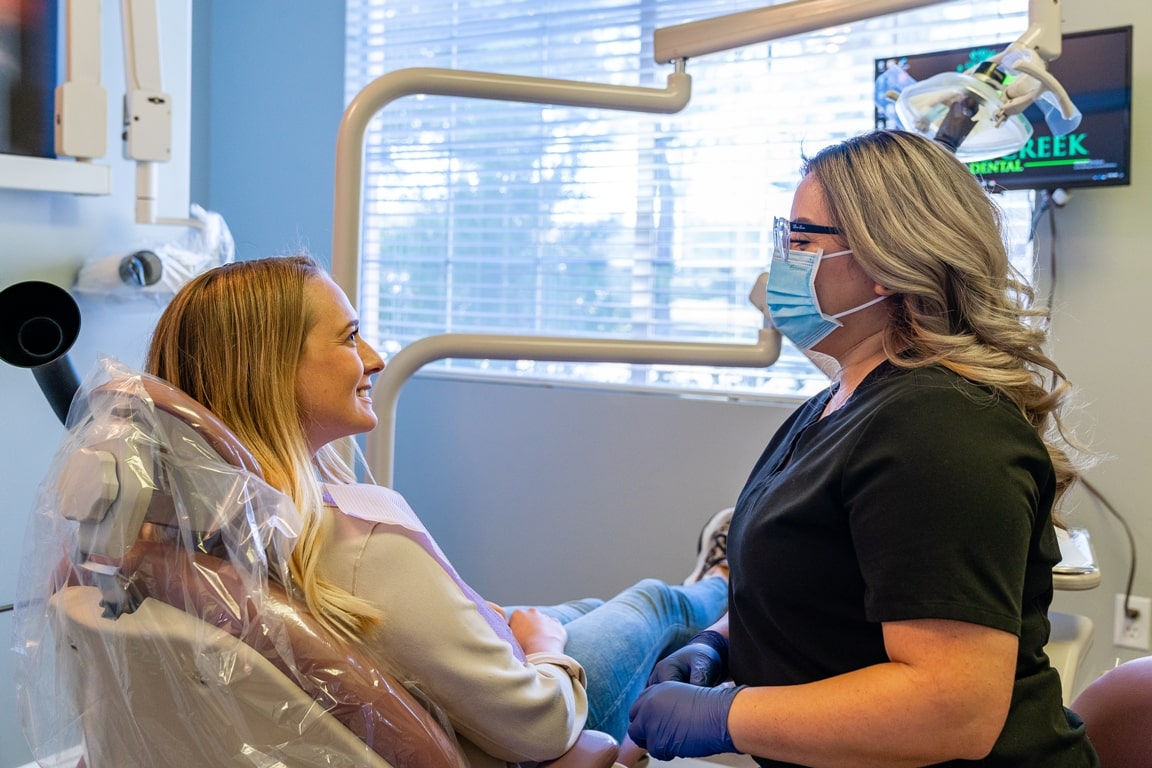
Missing teeth can affect far more than the way a smile looks. They can make it harder to chew favorite foods, speak clearly, and feel comfortable in everyday conversations. For many patients, dentures offer a practical, time-tested way to restore appearance and function without the higher cost that may come with some other tooth replacement options.
For people searching for affordable dentures in Camarillo, CA, the good news is that today’s dentures are more natural-looking, more comfortable, and more personalized than many patients expect. Modern dental materials and careful treatment planning can help create a denture that fits the mouth, supports the face, and helps the patient feel more like themselves again.
This guide explains the main types of dentures, what can influence cost, and how patients can make informed decisions about tooth replacement. It is intended for general education only and should not replace a personalized exam or professional dental advice. Anyone with missing teeth, loose teeth, gum discomfort, or concerns about denture fit should schedule a consultation with a licensed dentist for recommendations based on their health, goals, and budget.
What Are Dentures?
Dentures are removable dental appliances designed to replace missing teeth and some of the surrounding gum tissue. They are custom-made to fit a patient’s mouth and can replace several teeth or an entire arch of teeth.
A denture typically includes artificial teeth attached to a gum-colored base. Depending on the patient’s needs, the denture may rest directly on the gums, attach to remaining natural teeth, or connect to dental implants for added stability.
While dentures are often associated with older adults, tooth loss can happen at many ages due to gum disease, decay, injury, wear, or other health factors. The right solution depends on the number of missing teeth, the condition of the remaining teeth and gums, bone support, lifestyle, and long-term oral health goals.
Why Patients Consider Dentures
Dentures can be a helpful option for patients who want to restore their smile and improve daily function. When teeth are missing, the mouth has to work harder. Chewing may become uneven, speech can change, and remaining teeth may shift into open spaces.
Patients often consider dentures because they may help with:
- Chewing ability: Dentures can make it easier to eat a wider variety of foods compared with having missing teeth.
- Speech support: Replacing missing teeth can help improve pronunciation of certain sounds.
- Facial appearance: Dentures can support the lips and cheeks, helping reduce a sunken look caused by tooth loss.
- Confidence: A complete-looking smile can make social and professional moments feel more comfortable.
- Oral balance: Replacing missing teeth may help reduce strain on remaining natural teeth.
Every patient’s experience is different. Dentures take time to adjust to, and they require follow-up care to maintain comfort and function.
Types of Dentures Patients May Discuss With a Dentist
There is no one-size-fits-all denture. A dentist will evaluate the patient’s mouth, listen to their concerns, and explain which options may be appropriate. Understanding the basic types can make that conversation easier.
Complete Dentures
Complete dentures, sometimes called full dentures, replace all teeth in the upper arch, lower arch, or both. They rest on the gums and are shaped to fit the contours of the mouth.
Upper dentures often cover the roof of the mouth to create suction and support. Lower dentures are shaped around the tongue, which can make stability more challenging for some patients. Because of this, lower dentures may require extra adjustment time.
Partial Dentures
Partial dentures replace some missing teeth while preserving remaining healthy natural teeth. They may use a metal framework, flexible material, or acrylic base, depending on the design.
Partials often attach around existing teeth with clasps or precision attachments. They can help fill gaps, improve chewing, and prevent neighboring teeth from drifting into empty spaces.
Immediate Dentures
Immediate dentures are placed soon after teeth are removed, so the patient does not have to go without teeth during the healing period. This can be a comforting option for patients who are worried about appearance after extractions.
However, gums and bone change shape as they heal. Immediate dentures usually need adjustments, relines, or replacement after healing is complete. A dentist can explain what to expect during this transition.
Implant-Supported Dentures
Implant-supported dentures attach to dental implants placed in the jawbone. They may be removable or fixed, depending on the treatment plan. This option can provide improved stability compared with traditional removable dentures.
Implant-supported dentures often involve a higher upfront investment and require sufficient bone support and healthy gums. For some patients, the added comfort and security make them worth discussing.
What Makes Dentures More Affordable?
Affordability does not mean choosing the cheapest option without considering fit, comfort, or durability. A denture that does not fit well can cause sore spots, chewing problems, frustration, and additional adjustment visits. The goal is to find a solution that balances cost with long-term comfort and oral health.
Several factors can affect the cost of dentures in Camarillo and surrounding areas:
- Type of denture: Partial, full, immediate, and implant-supported dentures have different materials and treatment steps.
- Number of teeth being replaced: Replacing a few teeth differs from replacing an entire arch.
- Materials used: Higher-quality teeth and base materials may look more natural and last longer.
- Extractions or preparation: Some patients need teeth removed, gum treatment, or other care before dentures.
- Adjustments and relines: Follow-up visits help improve fit as the mouth changes.
- Dental insurance benefits: Coverage varies by plan and may reduce out-of-pocket cost.
- Financing or phased treatment: Payment options may help patients move forward with needed care.
A clear estimate after an exam is the best way to understand cost. Patients should feel comfortable asking what is included, what may cost extra, and how future maintenance may be handled.
How to Choose Affordable Dentures Without Sacrificing Comfort
When comparing denture options, patients may feel tempted to focus only on the lowest price. Cost matters, but fit and follow-up care matter too. A well-planned denture should support daily life, not sit unused in a drawer because it feels uncomfortable.
Patients can make a more confident choice by asking a few practical questions:
- What type of denture is recommended and why?
- Will any teeth need to be removed before the denture is made?
- How many appointments are usually involved?
- Are adjustments included after the denture is delivered?
- How long should the denture last with proper care?
- What happens if the denture feels loose later?
- Are there payment options or financing plans available?
A dentist can also explain the difference between a basic denture and a more customized denture. Some patients prioritize the most budget-friendly option. Others want upgraded tooth shapes, shade matching, or improved esthetics. There is no wrong question to ask during a consultation.
What to Expect During the Denture Process
The denture process usually begins with a consultation and exam. The dentist checks the gums, remaining teeth, bite, jaw movement, and overall oral health. X-rays or digital images may be recommended to better understand the bone and tooth roots.
From there, the dentist discusses the patient’s goals. Some patients want to replace one missing area. Others want a full smile transformation after years of dental concerns. Comfort, appearance, timing, and budget all play a role.
The next steps may include impressions or digital scans, bite measurements, tooth shade selection, and try-in appointments. A try-in allows the patient and dental team to evaluate how the denture teeth look before the final appliance is completed.
After the denture is delivered, the patient may need time to adapt. Mild soreness, extra saliva, and speech changes can happen at first. Follow-up visits help fine-tune the fit. Patients should not try to adjust dentures at home, as small changes can affect comfort and bite balance.
Adjusting to New Dentures
New dentures can feel unfamiliar. Even a well-made denture is not the same as natural teeth, so patience is important during the adjustment period.
To make the transition smoother, patients may be advised to:
- Start with soft foods cut into small pieces.
- Chew slowly on both sides of the mouth.
- Practice reading aloud to improve speech comfort.
- Use denture adhesive only as directed by the dentist.
- Return for adjustments if sore spots develop.
- Remove dentures as recommended to give gum tissue a rest.
It is normal to need a few adjustments. The gums and muscles of the mouth need time to learn how to work with the appliance. If pain, rubbing, looseness, or clicking continues, the patient should contact the dental office rather than “pushing through” discomfort.
Caring for Dentures and Oral Health
Dentures need daily care, just like natural teeth. Plaque, food particles, and bacteria can build up on the appliance and the gums. Good home care helps protect oral health and may extend the life of the denture.
Basic denture care often includes:
- Rinsing dentures after meals.
- Brushing dentures daily with a denture brush and non-abrasive cleaner.
- Cleaning the gums, tongue, and palate with a soft toothbrush or cloth.
- Soaking dentures as directed to keep them from drying out.
- Handling dentures over a towel or sink of water to reduce breakage if dropped.
- Avoiding hot water, which can warp denture materials.
Regular dental checkups remain important even for patients who no longer have natural teeth. The dentist can check the fit of the denture, screen the mouth for sores or tissue changes, and recommend relines or replacement when needed.
When Dentures Need Adjustment or Replacement
The mouth changes over time. After teeth are removed, the jawbone and gum tissue gradually reshape. This can cause dentures that once fit well to become loose or uncomfortable.
Signs that a denture may need attention include:
- Frequent slipping while eating or speaking.
- Sore spots or irritated gums.
- Clicking sounds when talking.
- Difficulty chewing foods that used to be manageable.
- Changes in facial support or bite comfort.
- Visible cracks, worn teeth, or damaged acrylic.
Sometimes a reline can improve the fit by reshaping the inside of the denture. In other cases, replacement may be recommended. A dentist can determine which option is appropriate after examining the denture and the tissues underneath.
Finding Affordable Dentures in Camarillo, CA
Patients searching for affordable dentures in Camarillo, CA should look for a dental team that takes time to explain options clearly. The most helpful consultation is not rushed. It gives the patient space to discuss concerns about cost, comfort, appearance, and timing.
A local dental office such as Woodcreek Dental can help patients understand whether dentures, partial dentures, implant-supported options, or another tooth replacement approach may fit their situation. Dr. Mike Wygant and the dental team can evaluate oral health, answer questions, and explain the next steps in a calm, supportive setting.
Because every mouth is different, a personalized exam is the only way to receive a specific treatment recommendation and cost estimate. Patients should bring their insurance information, a list of medications, and any questions they have about tooth replacement. This helps the dental team create a plan that respects both health needs and budget.
Frequently Asked Questions About Affordable Dentures
Are dentures the most affordable way to replace missing teeth?
Dentures are often one of the more budget-friendly tooth replacement options, especially when multiple teeth are missing. However, affordability depends on the type of denture, materials, extractions, follow-up care, insurance coverage, and the patient’s long-term needs. A dentist can compare options after an exam.
How long do dentures usually last?
Many dentures last several years with proper care, but the exact timeline varies. Changes in the gums and jawbone can affect fit over time. Regular dental visits help determine when a reline, repair, or replacement may be needed.
Will dentures look natural?
Modern dentures can be designed to look natural and complement the patient’s face, smile, and preferences. Tooth shape, shade, position, and gum color all influence the final appearance. Patients can discuss esthetic goals during the planning process.
Do dentures hurt?
Dentures should not cause ongoing pain. Some temporary soreness may occur while the mouth adjusts, especially with a new denture. Persistent sore spots, rubbing, or looseness should be evaluated by a dentist so the fit can be checked and adjusted if needed.
Can patients eat normally with dentures?
Dentures can improve chewing compared with missing teeth, but they do not feel exactly like natural teeth. Most patients start with softer foods and gradually add more variety as they gain confidence. Very sticky or hard foods may remain challenging for some denture wearers.
Are implant-supported dentures worth considering?
Implant-supported dentures may offer more stability than traditional removable dentures. They can be especially helpful for patients who struggle with looseness. They usually cost more and require a clinical evaluation to determine whether the patient is a candidate.
Can broken dentures be repaired?
Many denture cracks, broken teeth, or fit problems can be repaired, but patients should avoid using household glue or do-it-yourself repair kits. These can damage the denture or irritate the mouth. A dental office can advise whether repair or replacement is the better option.
Conclusion: A Comfortable Smile Can Start With a Conversation
Dentures can be a practical and affordable way to restore missing teeth, improve confidence, and make everyday activities feel easier. The best denture is not simply the lowest-cost option. It is the one that fits well, supports the patient’s goals, and comes with the guidance needed for long-term comfort.
For patients exploring affordable dentures in Camarillo, CA, a consultation is a helpful first step. Woodcreek Dental can answer questions, evaluate oral health, and discuss options in a friendly, patient-focused environment. Anyone considering dentures is encouraged to reach out, share their concerns, and learn what solutions may be available for their smile.