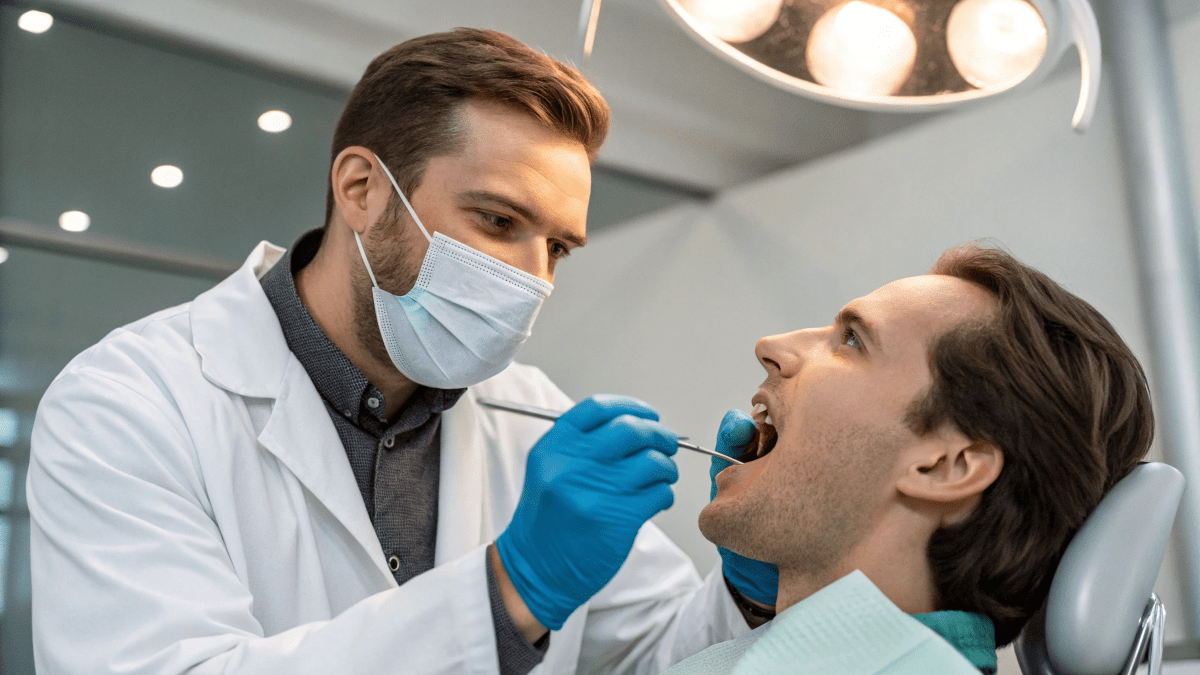
You face sudden tooth pain or a knocked-out tooth, and you need clear, practical steps now. If you act quickly—call an emergency dentist in Camarillo and get immediate care—you greatly improve the chance of saving a tooth and preventing complications.
This article explains how to recognize true dental emergencies, what to expect during an urgent visit, and how local Camarillo dentists treat common problems like severe pain, trauma, and infection. You will also learn simple prevention tips, how to choose the right practice nearby, and what follow-up care keeps recovery on track.
Recognizing the Signs of a Dental Emergency
Quick identification of urgent dental problems helps patients get timely care, reduce pain, and protect long-term oral health. The following details describe common emergency types, when to get immediate treatment, and specific symptoms that demand prompt professional attention.
Common Dental Emergencies
Common emergencies in Camarillo include knocked-out teeth (avulsions), severe tooth pain from decay or infection, fractured or chipped teeth, and soft-tissue injuries to lips or tongue. A tooth completely displaced from its socket has the best chance of being saved if reimplanted within 30–60 minutes; keep it moist in milk or saline and see a dentist immediately.
Severe toothaches often indicate pulp inflammation or abscess; these typically require root canal therapy or extraction plus antibiotics if infection spread is present. Fractures that expose the pulp cause sharp pain and sensitivity and usually need prompt restoration or endodontic care to prevent infection.
Lost crowns or fillings expose dentin and can produce pain or sensitivity to hot and cold. Temporary dental cement from a pharmacy can protect the tooth until a dental visit. Soft-tissue cuts may bleed heavily; control bleeding with clean gauze and seek care if bleeding does not stop after 10–15 minutes.
When to Seek Immediate Care
Seek immediate care for uncontrolled bleeding after dental injury, a tooth knocked out, severe facial swelling, or any trauma affecting jaw alignment or breathing. These signs suggest damage beyond a simple tooth problem and may require emergency room evaluation in addition to dental treatment.
Contact an emergency dental provider in Camarillo when pain prevents sleep or normal activity, or when swelling risks spreading toward the eye or neck. Rapid-onset swelling plus fever often means an infection that can spread systemically and needs urgent antibiotics and drainage.
If a patient experiences altered bite, difficulty closing the mouth, or loose permanent teeth after trauma, they should visit the dentist the same day. Timely splinting or repositioning improves outcomes and reduces the chance of permanent tooth loss.
Symptoms You Should Never Ignore
Never ignore persistent, severe tooth pain that wakes a patient at night, as this commonly indicates an abscessed tooth or advancing decay. Associated fever, facial swelling, or a bad taste in the mouth points to infection that requires prompt professional management.
Worsening swelling of the face, jaw, or neck that impairs breathing, swallowing, or speaking signals a potentially life-threatening spread of infection. Immediate medical and dental care is essential; delay increases risk of airway compromise or systemic infection.
Signs such as continuous bleeding after trauma, numbness in the lip or chin, or a tooth moved out of its normal position also require urgent attention. These symptoms often reflect fracture, nerve involvement, or jaw injury needing specialist treatment.
If questions remain or a patient experiences any of the above, contact a local Camarillo emergency dental clinic for assessment and next steps.
What To Expect During Your Emergency Dental Visit
Patients can expect a fast, focused visit that prioritizes pain control, a clear diagnosis, and a practical treatment plan. The team will gather key medical and dental history, stabilize symptoms, and explain options so the patient leaves with next steps.
Initial Assessment and Comfort Measures
The receptionist confirms insurance info and the patient’s current medications, allergies, and recent medical conditions such as heart disease or bleeding disorders. A dental assistant records vitals when indicated and escorts the patient to an examination room designed for quick access to necessary tools.
The dentist performs a focused exam, inspecting soft tissues, teeth, and bite, and takes targeted X‑rays or a CBCT scan if a suspected fracture, infection, or deep decay requires imaging. The clinician documents onset, severity, and triggers of the pain to narrow the cause.
Staff use immediate comfort measures: topical anesthetic for sore gums, localized ice or cold packs for swelling, and high‑strength analgesics or short‑term antibiotics when infection signs—fever, swelling, lymph node enlargement—are present. The team prioritizes airway and systemic safety for severe facial swelling.
Pain Management Options
Local anesthesia (lidocaine or articaine) provides rapid numbing for procedures like emergency extractions or root canal access. The dentist explains dose, expected duration, and common temporary sensations such as lingering numbness or mild pressure.
When pain is intense, short courses of oral analgesics—NSAIDs like ibuprofen or acetaminophen—are recommended, sometimes combined for better control. Opioids are rarely used and only for severe, short‑term pain when alternatives fail; the dentist discusses risks and safe use.
If swelling or dental abscess is present, the clinician prescribes antibiotics targeted to oral bacteria and discusses expected improvement within 48–72 hours. For anxious patients, nitrous oxide or oral sedatives may be offered after medical screening and consent.
Examining Your Treatment Choices
After diagnosis, the dentist reviews specific options with benefits, risks, timeline, and cost estimates. For example:
- Tooth fractured above the gumline: possible bonding or crown same‑day versus extraction and implant later.
- Deep infection affecting the root: emergency/root canal therapy to save the tooth versus extraction and socket preservation.
The team uses plain language and models or intraoral photos to show the problem and proposed procedures. They outline immediate steps (pain control, antibiotics) and follow‑up care (definitive restoration, prosthetic planning), plus at‑home instructions like salt rinses and soft‑food recommendations.
Patients receive written consent forms and a clear appointment schedule. The office discusses financing, insurance coverage, and whether same‑day treatment is feasible, helping the patient choose the safest, most comfortable path forward.
How Camarillo Dentists Address Different Emergencies
Dentists in Camarillo prioritize quick pain relief, accurate diagnosis, and durable repairs. They combine same-day treatment, modern imaging, and patient comfort measures to resolve urgent dental problems efficiently.
Handling Toothaches and Cavities
When a patient reports a toothache, Camarillo dentists first take a focused history — onset, severity, triggers, and any swelling or fever. They perform a clinical exam and often use digital X-rays or CBCT for precise visualization of decay, abscesses, or cracked teeth.
If infection is present, they prescribe antibiotics as needed and provide analgesics for immediate pain control. Local anesthesia and rubber dam isolation enable comfortable treatment during the same visit.
For reversible cavities, a bonded composite filling restores form and function in one appointment. Deep decay near the nerve may require a pulp cap or root canal therapy; dentists explain options and timeframes clearly. They also discuss temporary stabilization (sedation or interim fillings) when more complex care must be scheduled.
Dealing with Broken or Knocked-Out Teeth
For a fractured tooth, clinicians assess fracture depth and crown/root involvement using visual exam and radiographs. Small enamel-only chips often undergo smoothing and bonding the same day. Larger fractures with pulp exposure usually lead to root canal treatment followed by a crown to protect the remaining tooth.
A completely avulsed (knocked-out) permanent tooth has the best prognosis if replanted within 30–60 minutes. Dentists instruct patients to handle the tooth by the crown, rinse gently under water, and keep it moist in milk or saliva while transporting to the office. They perform atraumatic reimplantation, splinting to adjacent teeth, and prescribe antibiotics and tetanus updates when appropriate.
Emergency Solutions for Lost Fillings or Crowns
When a filling falls out or a crown becomes loose, Camarillo dentists focus on protecting the exposed tooth and preventing further damage. They clean the area, remove decayed material, and place a temporary restoration or cement a crown back if it remains intact. Temporary materials relieve sensitivity and reduce infection risk until a definitive restoration is completed.
If the loss exposes the pulp or the tooth has recurrent decay under the old restoration, the dentist may recommend a new crown, onlay, or root canal plus crown depending on structural loss. They explain costs, materials (porcelain, zirconia, or gold), and timelines so patients can choose an option that balances durability and budget.
Preventing Dental Emergencies in Everyday Life
Daily choices make the biggest difference: protecting teeth during activities, using proper mouthguards for sports, and keeping consistent oral care routines reduce the chance of sudden pain, broken teeth, or infections.
Tips for Protecting Your Teeth
Avoid chewing hard objects like ice, popcorn kernels, and unpopped corn, which can crack enamel or break restorations. Use scissors or a nutcracker instead of teeth to open packaging or bite stubborn items.
Do not use teeth as tools for opening bottles, tearing tags, or holding nails; those habits cause chips and fractures over time. If a patient grinds or clenches at night, a dentist can evaluate for bruxism and recommend a nightguard to lower wear.
Replace worn fillings and crowns promptly; small fractures often become larger problems if left untreated. Keep regular dental checkups every six months or as prescribed so the dentist can catch weakening enamel, recurrent decay, or loose restorations before they fail.
Mouthguards and Sports Safety
For contact and recreational sports, custom-fitted mouthguards offer the best protection because they match tooth alignment and cushion impact. Over-the-counter boil-and-bite guards are better than nothing but often fit poorly and can dislodge during play.
Recommend mouthguards for youth sports like football, lacrosse, basketball, and even skateboarding or cycling when falls are likely. Store-bought guards should be replaced if warped, torn, or no longer fitting after orthodontic changes.
Tell parents to inspect guards monthly for wear, wash them with mild soap after use, and keep them in ventilated cases. For athletes with braces, confirm the guard accommodates brackets to prevent soft-tissue injury and appliance damage.
Maintaining Good Oral Hygiene Habits
Brush twice daily with a fluoride toothpaste using a soft-bristled brush and 2-minute sessions to remove plaque effectively without over-brushing. Floss once a day or use interdental brushes to clear food and bacteria from between teeth where cavities often start.
Limit frequent sipping of sugary or acidic drinks; when beverages like soda, sports drinks, or citrus juices are consumed, rinse with water and wait 30 minutes before brushing to avoid brushing softened enamel.
Schedule dental cleanings and exams as recommended; hygienists remove tartar that home care can’t, and dentists can spot early signs of infection or root exposure that might lead to emergency pain.
Choosing the Right Dentist in Camarillo
Find a dentist who combines fast, effective emergency treatment with clear communication, compassionate bedside manner, and modern equipment. Prioritize clinicians who document pain management plans, offer same-day procedures when possible, and coordinate with specialists for complex cases.
Qualities of a Great Emergency Dentist
A great emergency dentist in Camarillo diagnoses quickly and explains options in plain language. They perform thorough exams, use digital X-rays for precise imaging, and present clear treatment steps with estimated costs before starting care.
Look for dentists who emphasize pain control — local anesthesia, short-term prescriptions when needed, and follow-up calls to check recovery. Readily available patient reviews that mention calm staff and successful urgent treatments indicate consistent performance.
Verify that the dentist keeps licensure, malpractice information, and continuing education current. Clinics that list specific emergency procedures (tooth extractions, root canal therapy, repair of fractured teeth, and treatment of infections) signal readiness for common urgent situations.
Availability and After-Hours Services
Confirm office hours, same-day appointment policies, and weekend availability. A dentist who posts specific after-hours contact methods—direct emergency line, on-call clinician, or urgent telehealth slots—reduces delays during a crisis.
Ask whether the practice coordinates with local hospitals and oral surgeons for severe trauma or swelling that requires IV antibiotics or surgery. Practices that maintain agreements with nearby pharmacies for rapid prescription fulfillment improve treatment speed.
Check whether the clinic documents average wait times for walk-ins and typical response time for after-hours calls. Transparent policies about fees for emergency visits and payment options help avoid surprises during stressful moments.
Supporting Comfort and Reducing Stress During Urgent Visits
Staff greet patients promptly and explain each step in plain language to lower anxiety. They keep the tone calm and reassuring, helping patients feel seen and understood.
Dental teams offer options to manage pain right away, such as topical anesthetics, local numbing, or short-acting oral medications. They explain benefits and any side effects so patients can make informed choices.
Clinics often provide comfort measures like neck pillows, blankets, and noise-cancelling headphones. These small touches make the environment less clinical and more relaxing.
For patients with dental fear, practices use gentle behavior techniques and paced communication. Clinicians pause between steps, check in frequently, and invite questions to build trust.
Some offices offer sedation for higher anxiety or complex procedures, from nitrous oxide to oral sedatives. They review medical history and monitor vitals to ensure safety.
A quick checklist helps patients prepare: bring a list of medications, wear comfortable clothing, and arrange a ride if sedation is planned. Staff can assist with paperwork and insurance to reduce logistical stress.
Clear aftercare instructions and a follow-up plan calm worries about recovery. They provide written directions and a direct phone line for questions, ensuring patients know when to call back.
Encourage patients to ask about comfort options before treatment; the team tailors care to preferences and medical needs. Contact the office to discuss accommodations or to schedule an urgent visit.
Moving Forward: Recovery and Follow-Up Care
After an emergency visit, patients should expect a short recovery phase and clear next steps. The clinic will provide written aftercare instructions and any necessary prescriptions, such as antibiotics or pain relief, to control infection and discomfort.
They should schedule a follow-up appointment within a timeframe recommended by the dentist—often 1 to 2 weeks—to check healing and remove sutures if placed. This visit confirms that the injury or procedure is resolving and lets the dentist adjust treatment if healing is slower than expected.
If tooth replacement is needed, the team will outline options like implants, bridges, or partial dentures and explain timelines, benefits, and costs. Patients receive a personalized plan that balances durability, appearance, and budget.
Home care matters: gentle rinsing, avoiding hard foods, and following medication instructions speed recovery. Using a cold pack for swelling and sleeping with the head elevated can reduce discomfort in the first 48 hours.
Watch for warning signs such as uncontrolled bleeding, fever, severe swelling, or increased pain; these require prompt contact with the practice. The office typically offers emergency lines or same-day slots for complications.
To help patients stay safe and informed, the practice provides educational handouts and demonstrates proper oral hygiene techniques. They encourage callers to ask questions and book a follow-up to ensure healing stays on track.
How to Prepare for Potential Dental Emergencies
Keep an emergency kit at home and in the car. Include gauze, a small container for a knocked-out tooth, over-the-counter pain relievers, and the dentist’s contact information written on paper in case phones fail.
Know the nearest 24-hour or emergency dental clinic in Camarillo, CA, and store their number on speed dial. They can advise whether to come in immediately or apply first-aid measures at home.
Learn basic first-aid steps for common problems: control bleeding with firm pressure, rinse debris gently from a wound, and keep a knocked-out tooth moist in milk or saliva without scrubbing it. Avoid placing aspirin directly on a painful tooth or gum.
Share the plan with family members and caregivers so everyone knows what to do and where to go. Designate who will drive and who will bring insurance and medical information, including allergies and current medications.
Keep dental records accessible, such as recent X-rays or a list of existing dental work. This helps the emergency dentist make faster, more accurate decisions.
Consider a preventive review with a dentist to reduce the chance of emergencies. They can identify weak restorations, recommend mouthguards for sports, and offer simple steps to avoid urgent problems.
If uncertain during an event, contact a Camarillo emergency dental provider right away for guidance. They will explain next steps and arrange care as needed.
Connecting With Local Resources and Community Support
Patients in Camarillo can tap into several local resources when they face a dental emergency. Community clinics and urgent-care dental offices often offer after-hours or same-day appointments, which helps reduce pain and avoid complications.
They can contact the Ventura County Health Care Agency for information on low-cost dental programs and eligibility. This agency connects residents with sliding-scale clinics and fluoride or sealant programs for children.
Local hospitals sometimes provide emergency dental triage or referrals when a dental injury coincides with other medical needs. Calling ahead lets staff prepare and speeds up care when transport or imaging is required.
Dental schools and nonprofit organizations occasionally run clinics that offer urgent treatments at reduced fees. These options balance cost and quality because licensed faculty supervise students during procedures.
A quick checklist helps when seeking local support:
- Call ahead to confirm hours and services.
- Bring ID and insurance details, if available.
- Note symptoms and timing to describe the urgency clearly.
They should also lean on local pharmacies for over-the-counter pain relief and temporary solutions like dental wax or saline rinses. For persistent bleeding, swelling, or signs of infection, prompt professional assessment remains the priority.
Encourage readers to save contact numbers of nearby emergency dentists, clinics, and the county health line for faster action when minutes matter.
Frequently Asked Questions
This section answers precise actions for pain, trauma, infection, and after-hours care, plus steps to preserve a damaged tooth and when to choose the emergency room versus a dental clinic.
What counts as a true dental emergency versus something that can wait until tomorrow?
A true dental emergency includes uncontrolled bleeding, severe pain that prevents sleep or eating, facial swelling that affects breathing or swallowing, and a knocked-out permanent tooth. Broken teeth exposing the nerve or large restorations that fall out and cause intense pain also qualify.
Minor issues that can usually wait include mild sensitivity, a small chipped tooth without sharp edges, lost temporary crowns that don’t hurt, and cosmetic concerns. If pain or swelling increases, the situation should be reclassified as urgent and evaluated promptly.
If I have severe tooth pain after hours, what should I do right away to get relief safely?
Rinse gently with warm salt water and use over-the-counter ibuprofen or acetaminophen according to package directions to reduce pain and inflammation. Apply a cold pack to the cheek for 10–15 minutes at a time to limit swelling and numb pain.
Avoid placing aspirin or other topical medications directly on the gum or tooth; that can irritate tissue. Contact the dental office’s emergency line or an after-hours dental clinic to arrange an urgent evaluation the same day or next available slot.
Can the emergency room treat tooth pain, and when is it better to see a dentist instead?
Emergency departments can control severe pain and assess life-threatening problems like swelling that blocks breathing or signs of systemic infection. They typically provide pain medication and antibiotics but cannot perform definitive dental procedures like root canals or extractions.
See a dentist when you need treatment to save the tooth, repair a fracture, or remove infected tissue. If the issue is isolated to the tooth or surrounding gum without airway compromise, calling a dentist first usually leads to faster, more appropriate care.
What should I do if a tooth gets knocked out, and how quickly do I need to act?
Pick up the tooth by the crown only, avoid touching the root, and rinse briefly with water if dirty; do not scrub or dry it. If possible, reinsert the tooth into the socket and hold it gently in place; otherwise store it in milk or Hank’s Balanced Salt Solution and get to a dentist within 30–60 minutes for the best chance of reimplantation.
If immediate reimplantation isn’t possible, keep the tooth moist in milk or saliva and transport it with you; quick action dramatically improves the chance to save the tooth. Seek emergency dental care right away for permanent teeth; primary (baby) teeth should not be reinserted.
If I have facial swelling or a suspected dental infection, when should I seek urgent care immediately?
Seek immediate care if swelling rapidly increases, causes difficulty breathing or swallowing, or is accompanied by fever, confusion, or spreading redness; those signs suggest a potentially serious infection. Dental infections that produce visible or tender swelling near the jaw or under the eye require prompt evaluation.
Do not delay if medications like antibiotics bought previously do not improve symptoms within 24–48 hours. An urgent dental appointment or emergency department visit can prevent the infection from spreading to deeper tissues.
What can I do at home to protect a broken or cracked tooth until I can be seen?
Rinse the mouth with warm salt water to clean the area and apply a cold compress outside the cheek to limit swelling. Use dental wax or sugar-free gum to cover sharp edges and prevent soft tissue injury.
Avoid chewing on the affected side and stick to soft foods. Bring any tooth fragments to the dental appointment and call the dental office for same-day or next-available emergency repair to reduce pain and risk of further damage.